
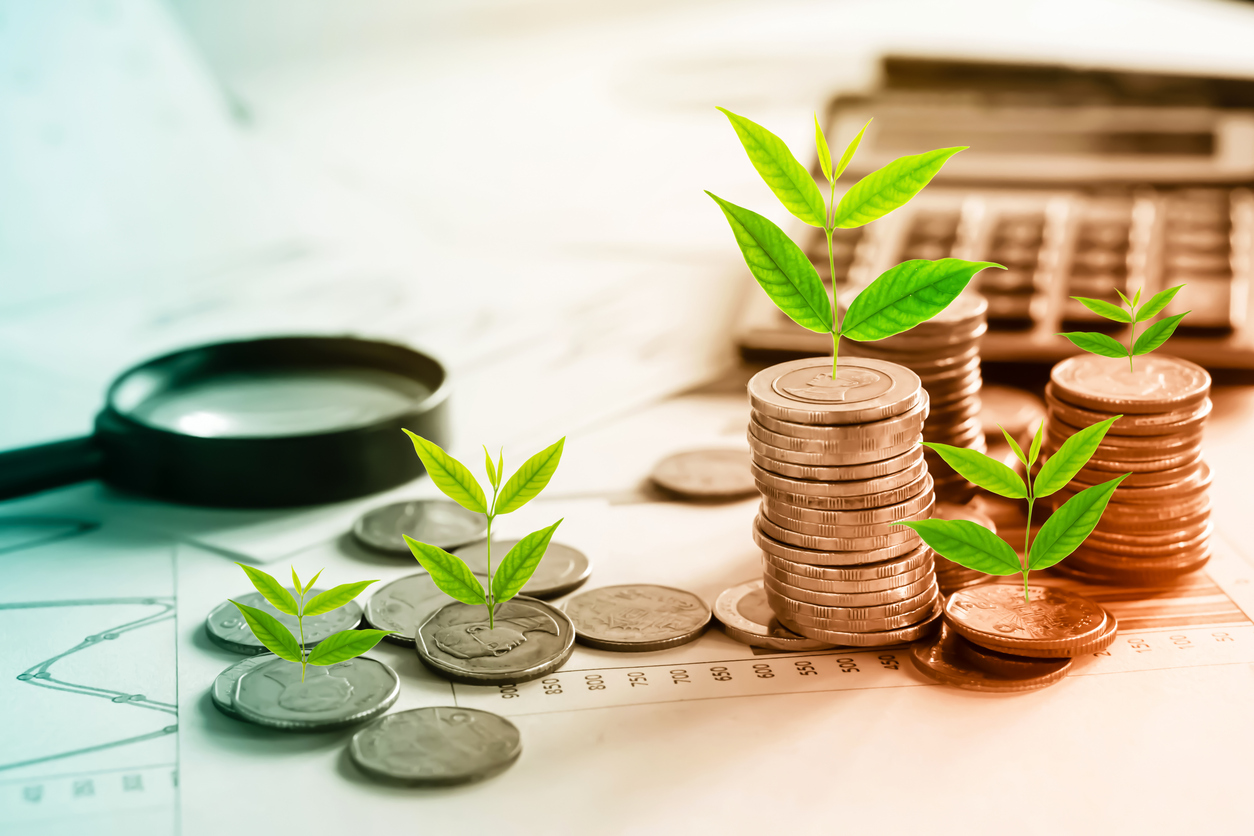
Fixed-income security has been a good way historically to diversify a portfolio and lower exposure to stock market volatility, but 2018 may prove to be the year to exercise caution and rethink one’s investment strategies.
Read moreWays to Diversify Your Agriculture Portfolio

If you are convinced that investment agriculture is a good way to diversify your overall portfolio — and we hope you are — then how do you properly allocate your investments across different types of deals to maximize your returns and safeguard your principal? Agriculture is a hugely diverse investment class, offering many ways to spread your risk among various projects.
Read more3 Reasons Indoor Farming Is The Future of Agriculture

World hunger and food security remain pressing issues in today's society. With a diminishing amount of farmable land and an increase in global population, indoor agriculture can help with the challenges that lie ahead. Indoor agriculture will play a key role in meeting the need for more food, and the technologies these facilities adopt will open up a wealth of capabilities, jobs, and alternative investment opportunities that redesign both urban and agricultural landscapes.
Read moreInvest in Aquaculture to Feed the World and Save the Oceans
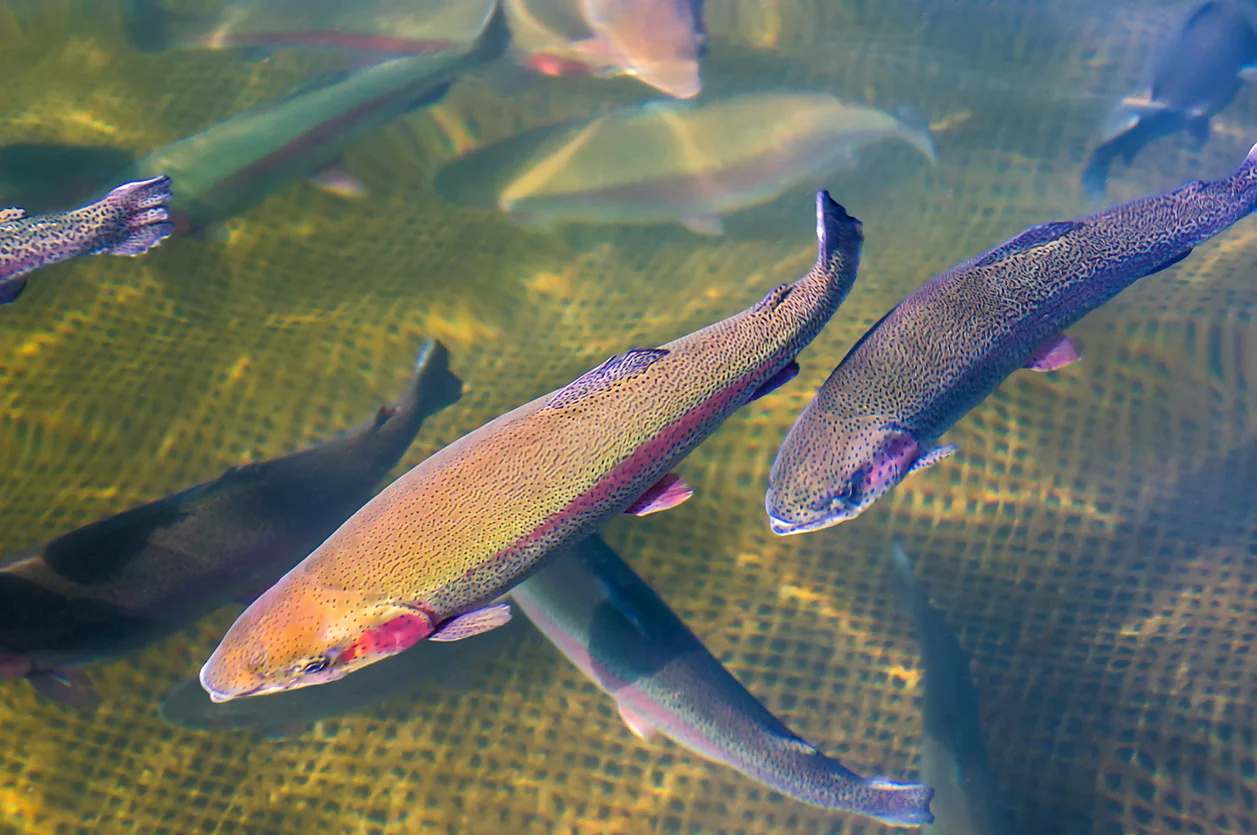
High tech indoor aquaculture operations can increasingly meet the world's growing demand for fish-based protein in a profitable and sustainable manner.
Read moreHelp Feed the World: Impact Investing in Agriculture

Impact investing has become increasingly popular within the last decade. The growing impact investment market provides capital to address and help find a solution for the world’s most pressing challenges in sectors such as sustainable agriculture, renewable energy, conservation, microfinance, and affordable and accessible basic services including housing, healthcare, and education. These investments tackle global challenges that were previously supported by philanthropic donations, which are still important, but missing a monetary return component. Impact investing offers diverse and viable opportunities for investors to advance social and environmental solutions through investments that also produce financial returns.
Read moreInvesting in Novel Agriculture Production Systems
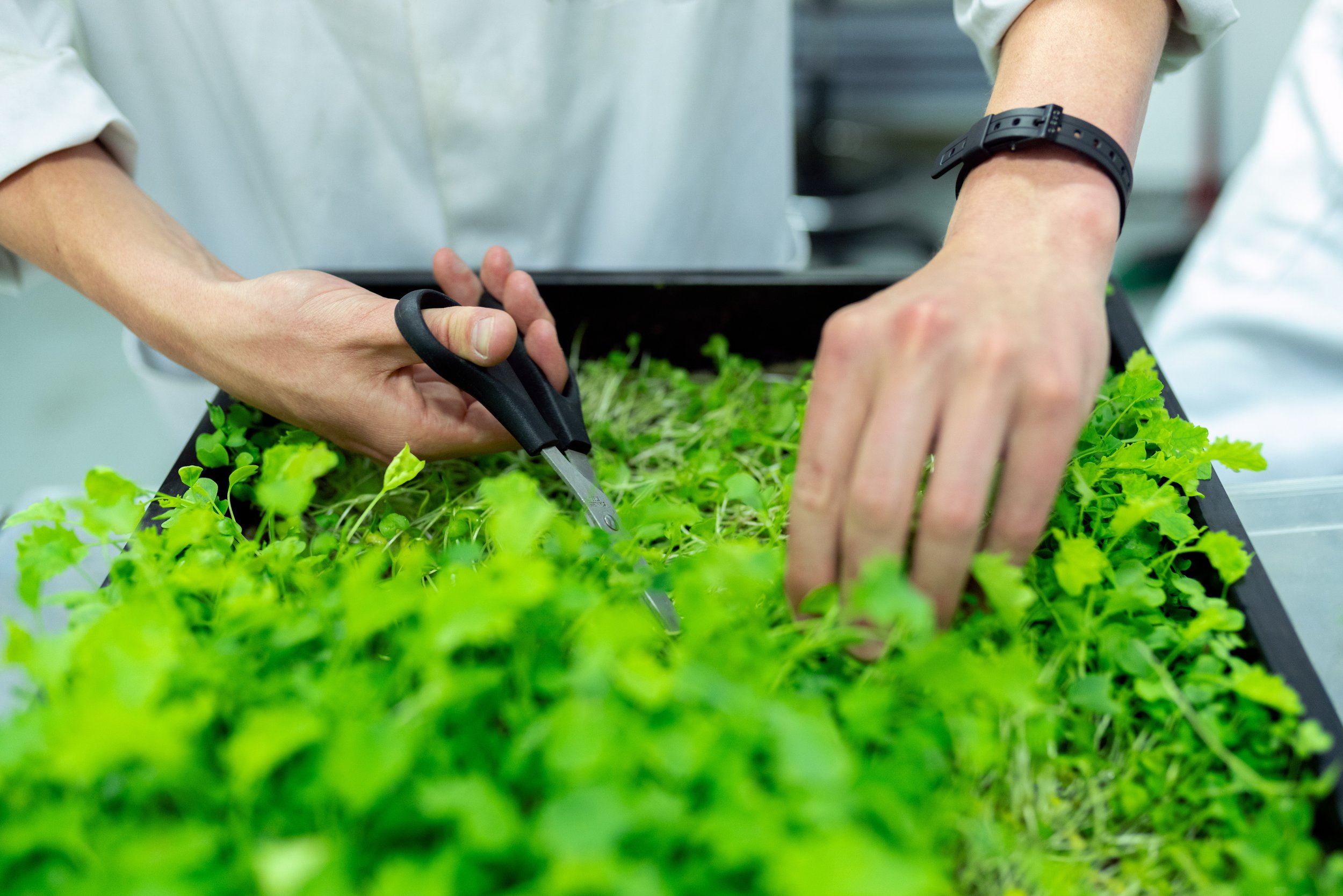
Soil-based agriculture has dominated food production for tens of thousands of years. In recent years, so-called "novel farming systems" have become more prevalent. Many of these farming methods -- often involving Controlled Environment Agriculture (CEA) -- are capital intensive to start-up. Funding for these projects can be hard to come by from traditional agriculture lending sources who do not understand how to underwrite them. But for investors who want to play a role in the future of global food production, CEA projects can offer higher risk-adjusted returns. According to AgFunder's 2017 "AgriFood Tech" report, investments in novel farming systems jumped 223% from the previous year. Some examples of novel farming systems are described below.
Read moreEgg Production Practices – There's an Egg for Everyone
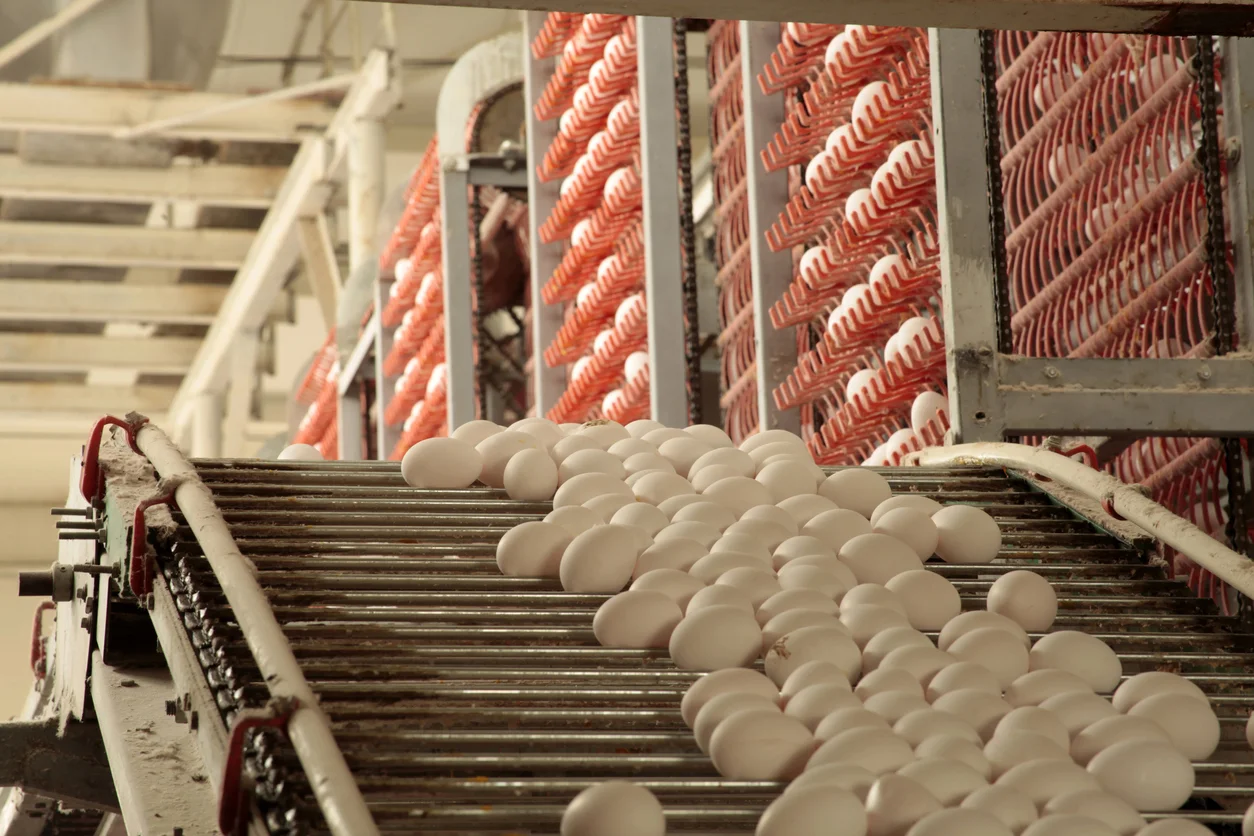
Today's egg farmers have curved production with consumer demands. There are a plethora of production practices, hen breeds, egg quality and egg sizes that go into consideration when eggs are being produced before their trip to the grocery store for consumption. Egg farmers work hard to provide consumers with the highest-quality variety of eggs, no matter what kind of eggs they choose.
Read moreInvesting in India's Ag Future

Agriculture plays a vital role in India's economy. At 157.35 million hectares, India holds the second largest agricultural land in the world, according to the India Brand Equity Foundation. India also has an advantage by having all 15 major climates in the world, creating diverse environments for a plethora of crops and animal production within the country. India is the largest producer of spices, pulses, milk, tea, cashew, and jute, and the second largest producer of wheat, rice, fruits & vegetables, sugarcane, cotton, and oilseeds.
Read moreWhy Millennials Should Invest in Agriculture
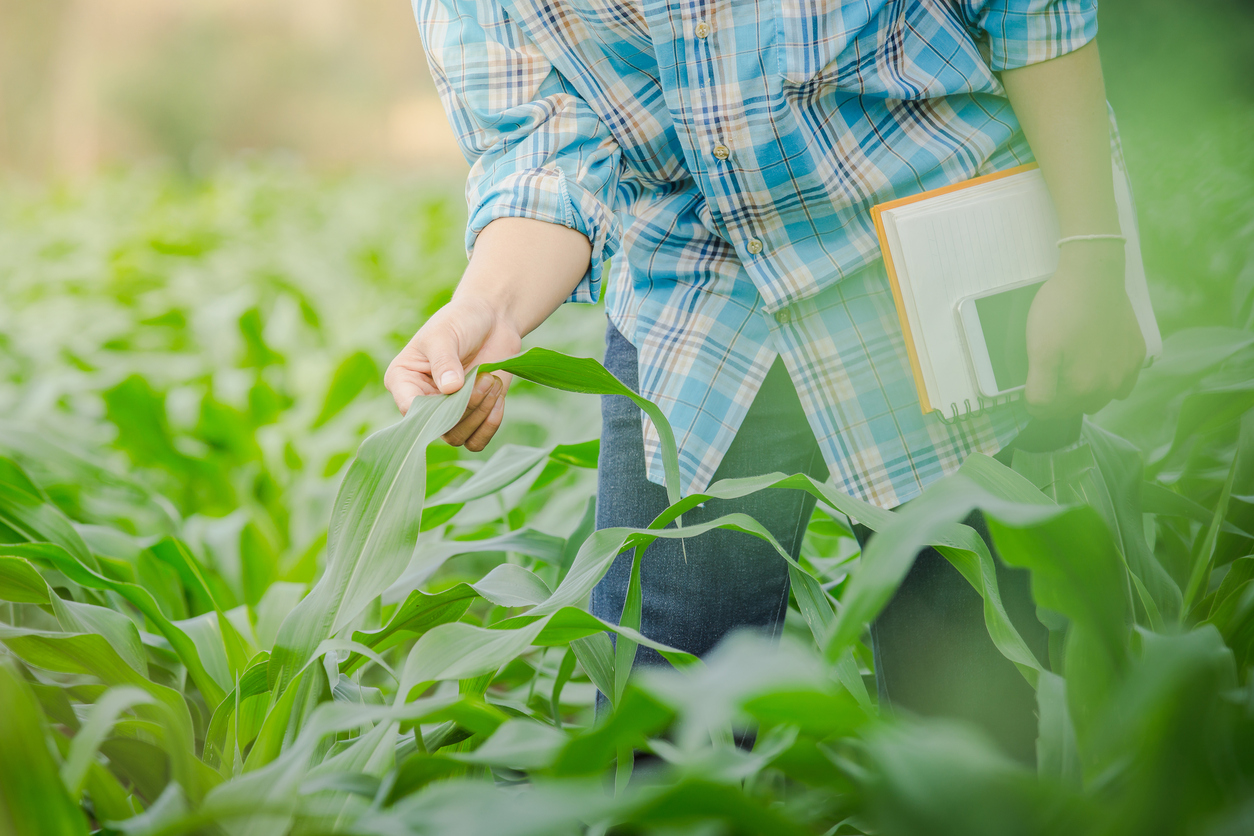
For someone who is just getting started in building their wealth, the sheer variety of investment opportunities can be intimidating. Should you go with what nearly half of Americans do and invest in the stock market? Or invest in real estate and flip houses like you see on TV? Or should you just throw money from your paycheck into a retirement fund? Everyone has to make that judgement for themselves, but it's important to at least know you have options. One investing opportunity many millennials may not know about is the option to grow your wealth over the long term with agriculture.
Read moreThe Health Benefits of Cacao
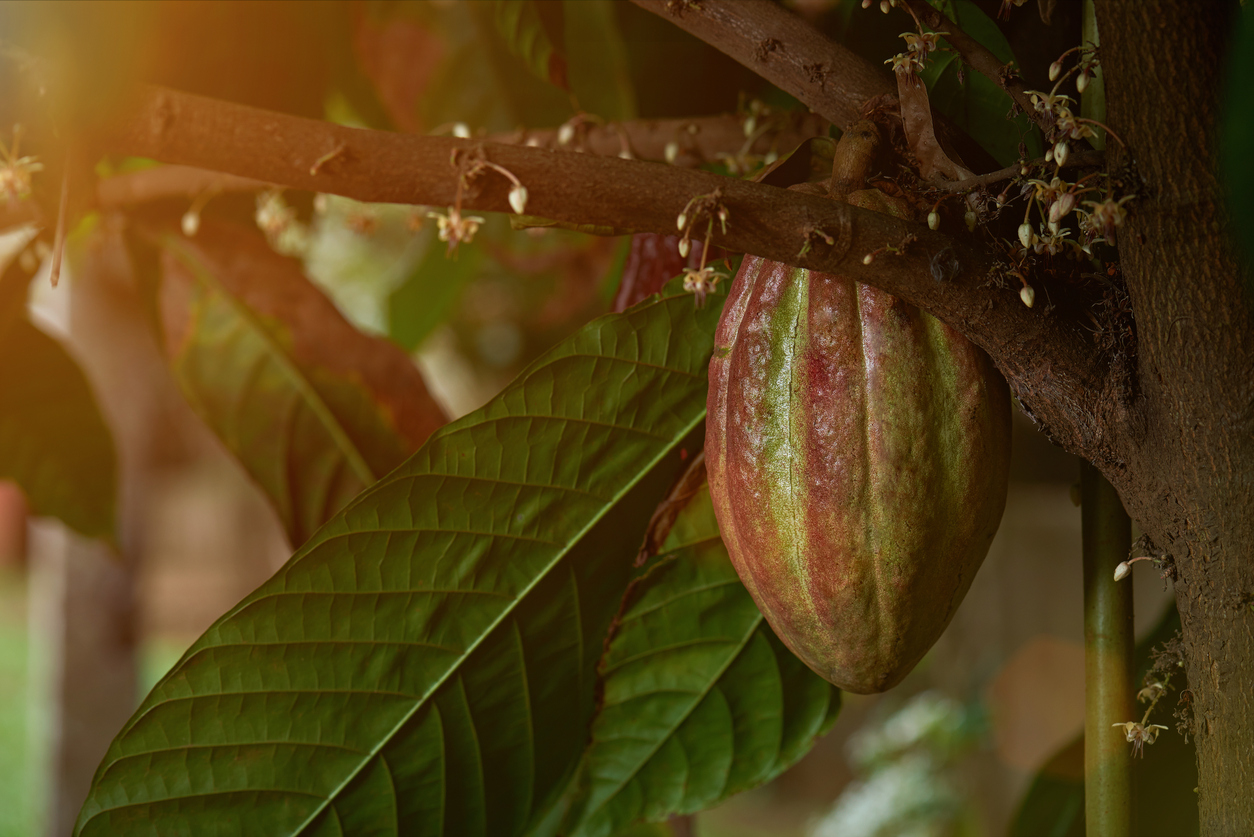
As we scroll down the list of healthy alternatives we find little gems that are quite often overlooked and certainly not always available at our nearest convenience store. These are the superfoods; natural foods with amazingly high concentrations of nutrients beneficial to our health and well-being.
One such superfood dear to our heart here at the Belize Cacao Consortium is the sun dried, mahogany coloured seeds we call cacao.
Invest in Sustainable Agriculture

When we look at future generations, a majority of us would agree it’s important for them to have a safe and healthy world to live in, with plenty of resources available to sustain life. Achieving this image starts with what we, as a society, do today. Sustainable agriculture is just one way people are preparing for a better future, and there’s a way for all of us to get involved.
Read moreTop 5 Myths About Investing in Agriculture

For most of us, going to the grocery store involves creating a shopping list, fighting through crowds in the meat department, and dreading the lines at the cash register. There’s not much thought about how the food got there, or where the money came from to produce such a large amount of food needed to supply grocery store shelves. You may just think it’s all on the farmer, which in the past, it very well was.
In today’s age, there are opportunities to invest in agriculture and make a difference in what ends up in grocery stores. Yes, you can invest in agriculture, and no you don’t have to be a farmer. Take a look at the other top myths about investing in agriculture.
Why Row Crops Make A Smart Alternative Investment

Similar to stocks or other traditional assets, agricultural investments can include many different sectors within the industry as a whole. With all of the available options, how does one decide which types of crops to invest in? One of the most common options is row crops. These commodity crops‒such as wheat, corn, and soybeans‒are staples of almost every country’s diet, and have historically been used by investors as a hedge against inflation. In addition to being consumed, these products are often used in feed for livestock and are the raw ingredients of almost everything we eat. The need for these crops will never subside; grains, corn, and soy are so prevalent in the food industry that demand is guaranteed to stand the test of time. The United States is the largest grain exporter in the world by quite a significant margin, and recent price stability is a good sign for both farmers and investors alike.
Read moreWhat Are Alternative Investments and How Does Agriculture Fit In?

It’s no secret that the stock market is the most common choice for most investors attempting to build their nest eggs. Millions of Americans regularly add stocks to their retirement accounts with the expectation that their hard-earned dollars are safe. Market cycles and inevitable corrections are a normal part of investing. However, some analysts are predicting that the next stock market crisis could eclipse that of 2007-2008. Cash, the traditional safe haven for investors, is not attractive due to persistent historically low interest rates, and large cash positions are continually eroded by inflation. This largely unprecedented environment has investors scrambling to protect their financial wealth and secure yield through alternative investments.
Read moreLooking For A Sweet Investment? Try Chocolate!

What do tonight’s dessert and your next investment have in common? Potentially chocolate, or cacao plants, at least. Consumer demand for specialty cacao beans continues to grow and is actually outpacing farmers’ ability to grow it in some areas. The demand for specialty or flavored beans used in premium dark chocolate goods is rising even faster than the traditional bulk cacao beans used in other candy that many farmers are used to growing. Like many other soft commodities, the production of cacao is concentrated in a small group of mostly developing countries in the tropics. These farms are susceptible to extreme weather, conflicts, credit shortages, and lack of working capital. Even so, cacao farms present an attractive option for investors looking for relatively low-risk opportunities.
Read moreHop Up Your Portfolio

Craft beer is sweeping the nation and changing the beverage industry. Parts of the farming industry have also undergone some major changes thanks to the surge in popularity of small-batch brews. Craft beer uses more key ingredients per batch than their large, national competitors. According to a report from the U.S. Department of Agriculture, the average craft beer uses 3-7 times as much malt per barrel as a mass market beer. In addition to malt, which comes from barley, the demand for hops to brew IPAs has increased dramatically.
Read moreBring Your Investments South of the Border

Though sometimes overshadowed by Brazil’s political turmoil, the country’s agriculture sector nevertheless remains strong and competitive in the global market. There are large tracts of underdeveloped land that hold much potential for investors willing to put in the necessary capital to convert pastureland to farmland. It is expected that the world population will surpass 9 billion by 2050, meaning food production will have to increase by 70% to meet demand. Brazil is perfectly suited to accommodate this growing demand due to the availability of land.
Read moreHow Equity Crowdfunding Is Different From Kickstarter

Crowdfunding is probably a word you have heard thrown around more and more in the past few years, but you may still be unsure of exactly what it encompasses. That’s a reasonable response because crowdfunding has come to mean different things to different people. There are two major types of crowdfunding: donation-based crowdfunding like Kickstarter or GoFundMe, and investment, or equity crowdfunding. Most people are generally familiar with platforms like Kickstarter, but may not have as much experience with equity crowdfunding. While equity crowdfunding also raises money via an internet platform, the two are vastly different. To clear up any confusion between the two different types of crowdfunding, we have outlined the major differences between them.
Read moreWhat You Should Know About Non-GMO Investments

Genetically modified organism (GMO) crops were first introduced to the market over 20 years ago as an environmentally-friendly solution to the problem of producing food for a rapidly growing world population. In many parts of the world, they are still seen as the solution for malnutrition, like these bananas that were created to provide children with vital nutrition they were lacking. They are genetically engineered to include traits such as resistance to weeds and pests, allowing farmers to use fewer pesticides. However, in some cases, weeds adapted and became more resistant to herbicide, meaning farmers had to increase their use of it. In addition to the concerns about the safety of ingesting GMOs, consumers began to worry about the health concern of more herbicides being consumed. Recently, the popularity of non-GMO crops has risen, as consumers seek out GMO-free products and farmers return to planting conventional seeds.
Read moreCrowdfunding for Agriculture

Agriculture is a broad, ever-changing field that is rapidly advancing to keep up with global consumers and increase yields and profits. A more slowly-evolving sector has been access to financing. Equity crowdfunding is an emerging option to help farmers obtain capital.
Read more